Magnesium Miracle: Empowering Menopausal Women to Thrive
Updated: Nov 15, 2025
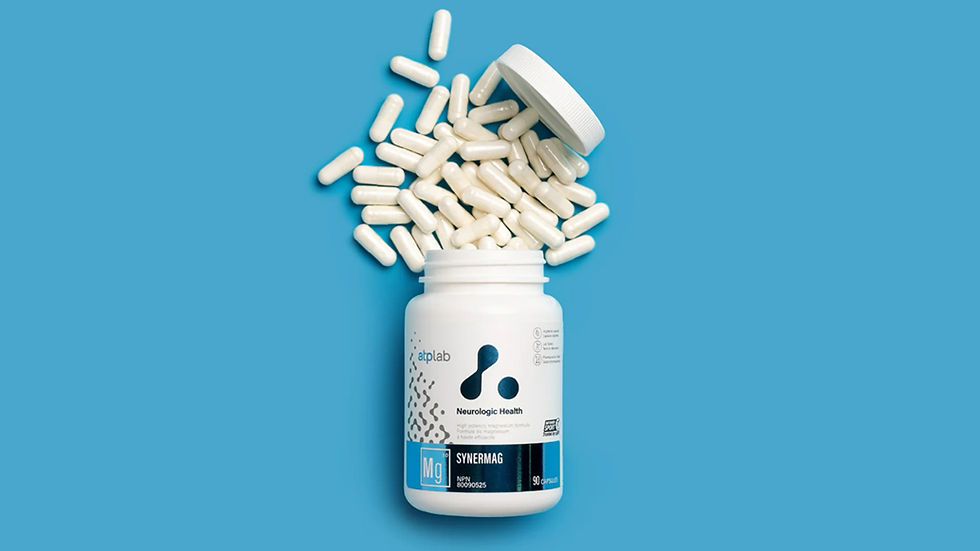
Menopause brings a lot of changes — some expected, some not so much. Through all of it, there’s one mineral that often flies under the radar: magnesium.
In this post, you’ll learn why this powerhouse nutrient can make a real difference for women navigating midlife.
What Does Magnesium Do in the Body?
Think of magnesium as the conductor of your body’s orchestra. It keeps your muscles, nerves, heart, and metabolism working in harmony so everything functions smoothly.
This mineral supports hundreds of essential processes — helping your body produce energy, contract and relax muscles, regulate your heartbeat, and calm your nervous system.
It also plays a key role in how your body uses glucose for fuel (great for fat loss).
By improving how your cells respond to insulin, magnesium helps keep blood sugar steady, which supports balanced energy, fewer cravings, and a more efficient metabolism.
What Is Magnesium?

Magnesium is an essential mineral your body can’t make on its own, which means you need to get it from food or supplements.
Low magnesium is common, and it’s been linked to higher rates of insulin resistance and slower metabolism. It’s also connected to several chronic issues like type 2 diabetes and migraines.
Why Should I Take It?

Getting enough magnesium can help you create energy, build muscle, and handle stress more effectively. When your levels are optimal, workouts feel better, recovery is faster, and you’ll notice less fatigue overall.
But there are more benefits of magnesium.
Beyond metabolism and performance, magnesium supports your body in ways that are especially important during menopause:
Hormonal Balance
Magnesium helps your body handle shifting hormone levels. As estrogen drops, it can ease hot flashes and mood swings by supporting balance between estrogen and progesterone.
Bone Health
With menopause comes a natural dip in bone density. Magnesium helps your body absorb calcium and build stronger bones, reducing fracture risk over time.
Muscle Relaxation
It acts as a natural relaxant, helping to ease tightness, tension, and cramps that often show up during menopause.
Mood Regulation
By supporting calming brain chemicals like serotonin and GABA, magnesium helps smooth out mood swings and irritability.
Cardiovascular Health
It helps keep blood pressure steady and supports heart rhythm and circulation — both crucial as heart risk increases after menopause.
Improved Sleep Quality
Magnesium supports your body’s natural melatonin production and helps quiet the nervous system. Together, these effects promote deeper, more restful sleep.
Safety and Side Effects
Magnesium is safe when taken within recommended doses, and it’s still safe even if you take too much.
The main side effect from excess intake is mild diarrhea or stomach upset due to unabsorbed magnesium, which draws water into the intestines.
The Tolerable Upper Intake Level (TUI) for a single dose is 350 milligrams of elemental magnesium, and this guideline is to prevent digestive discomfort.
Toxicity is rare in healthy adults but may occur in people with kidney disease or severe overuse.
When Should I Take It?
You can take magnesium at any time of day, but I often suggest taking it in the evening to help your body unwind, especially if improving sleep is the goal.
If higher amounts are needed, it’s best to divide your intake into smaller doses to improve absorption and reduce the chance of stomach upset.
For example, you could take one capsule with lunch, another with dinner, and a serving of liquid magnesium about 30 minutes before bed.
Splitting your doses this way helps your body absorb more magnesium while maintaining steady levels throughout the day.
How Much Should I Take?
For most adult women, the recommended daily allowance (RDA) is around 310 to 320 milligrams. Individual needs can vary depending on magnesium status, activity level, and stress.
Most women do well starting with 200 to 400 milligrams of elemental magnesium per day, divided into smaller doses for better absorption.
It’s best to begin on the lower end and gradually increase as your body adjusts.
For those with higher demands, and based on blood work, coaches like the late Charles R. Poliquin often recommended up to 10 milligrams of elemental magnesium per kilogram of body weight per day.
I’ve successfully used this approach with many of my own clients over the years, especially those who are active, under high stress, or recovering from deficiency.
Research backs this up: several studies using 500–1000 milligrams per day found benefits for energy, metabolism, and recovery without side effects.
So Many Types to Choose From
Not all forms of magnesium work the same way — the best one depends on your goals. Here’s a short guide:
Malate – Great for energy and reducing fatigue.
Glycinate/ Bisglycinate – Calming and gentle on digestion; ideal for relaxation and recovery.
L-Threonate (Magtein®) – Supports focus, memory, and deep sleep.
Taurate – Good for heart and blood pressure support.
Citrate – Helps digestion and regularity.
Oxide – Mainly a laxative; not great for absorption.
Other Sources of Magnesium

Dark chocolate is a fan favourite and I highly recommend it to my clients, because it's delicious. I’ve also written more about the benefits of dark chocolate, including the ideal cacao percentage to look for and a simple trick to curb carb cravings HERE.
While supplements can help fill nutritional gaps, it’s always best to get your vitamins and minerals from whole foods whenever possible.
Below are 10 excellent sources of magnesium:
Dark chocolate
Spinach
Pumpkin Seeds
Black Beans
Avocado
Quinoa
Almonds
Cashews
Whole Grains
Salmon
Good to Know for Aging Women
Magnesium also helps your body use vitamin D properly — without it, you only absorb a small portion of your dietary calcium. That means keeping magnesium up supports bone strength while lowering the risk of osteoporosis.
If you take calcium supplements, be mindful that too much calcium can interfere with magnesium absorption, so aim for balance.
Choosing a Quality Magnesium Supplement
Not all magnesium products are created equal, so it’s worth doing a quick label check before you buy.
Look for brands that follow Good Manufacturing Practices (GMP) to ensure purity and proper dosing.
Choose a formula that combines a few amino acid forms (like glycinate, malate, or taurate) for better absorption and balanced distribution throughout your body. Avoid products listing “oxide” as the main ingredient. Unless you’re specifically using it for its laxative effect.
I personally use and recommend Designs for Health and ATP Lab for my clients because of their quality, consistency, and clinical-grade formulations.
PRIMEFive™ Essential Support

Magnesium is one of the Essential supplements in the PRIMEFive™ framework — a foundation for better recovery, energy, and hormonal balance in midlife.
I’ve covered how magnesium supports hormones, bones, mood, sleep, and metabolism. Now it’s time to put it into practice:
Start with Food – Eat magnesium-rich foods daily: leafy greens, nuts, seeds, avocado, and dark chocolate.
Pick Your Form – Choose the right magnesium for your goal: glycinate or threonate for sleep, malate for energy, taurate for heart health.
Be Consistent – Take it daily, ideally in the evening, and stick with it long-term.
Support the System – Within the PRIMEFive Protocol™, magnesium works best alongside vitamin D3K2, fish oil, probiotic, and fibre.
Take the Next Step – Ready to go deeper? Download my Supplement Guide [HERE] to see exactly how magnesium fits into your plan.
References:
Paolisso, G., et al. 1992. Magnesium Research 5(2): 123–127.
Golf, S.W., et al. 1998. Magnesium Research 11(2): 117–123.
Morris, M.E. 1992. American Journal of Clinical Nutrition 56(1 Suppl): 345S–353S.
National Institutes of Health, Office of Dietary Supplements. 2022. Magnesium – Fact Sheet for Health Professionals.
Park, H., et al. 2011. Supportive Care in Cancer 19(6): 859–863.
Aydin, H., et al. 2010. Biological Trace Element Research 133(2): 136–143.
Liu, L., et al. 2024. Frontiers in Endocrinology (2024): 1–14.
Amstrup, A.K., et al. 2015. Nutrition Journal 14: 102.
Guerrera, M.P. 2009. American Family Physician 80(2): 157.
National Institutes of Health, Office of Dietary Supplements. 2022. Magnesium – Fact Sheet for Health Professionals.
Higdon, J., and V.J. Drake. 2013. Linus Pauling Institute Micronutrient Information Center, Oregon State University.
Poliquin, C. 2010–2014. All Things Gym.
Myers, B. 2015. Magnesium – The Forgotten Mineral. Myers Chiropractic & Functional Health.


Comments